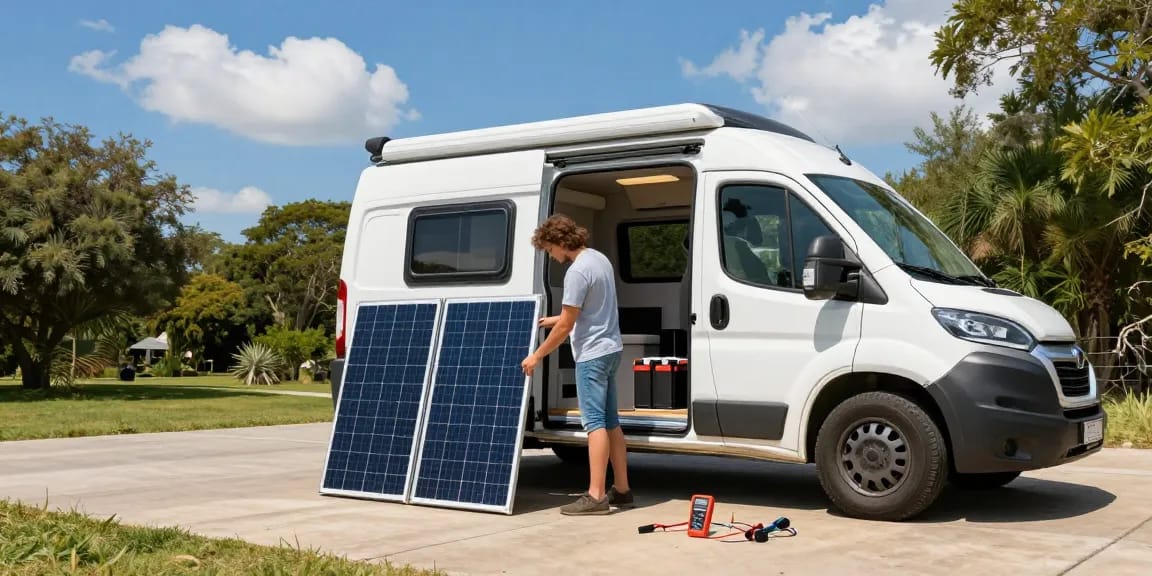
Understanding the Basics of Van Conversion Electrics
Embarking on a van conversion journey can be thrilling yet overwhelming, particularly when it comes to understanding the electrical systems involved. The electrics in your campervan not only power the essentials but also enhance your overall living experience on the road. Properly installed batteries, solar systems, and wiring ensure you have reliable energy, whether you're parked at a campsite or off the grid. For comprehensive insights and resources, rokok 88 offers extensive guidance tailored for van lifers.
What You Need to Know About Campervan Battery Sizes?
Selecting the right battery size for your campervan is critical for maintaining an efficient energy supply. The size of the battery will depend significantly on how you plan to use your camper, including the number of appliances you intend to run, the duration of your trips, and whether you'll be off-grid. Common battery types include lead-acid and lithium-ion, with each offering distinct advantages and disadvantages.
- Lead-Acid Batteries: Typically cheaper but heavier and less efficient. They require regular maintenance and have a shorter lifespan.
- Lithium-Ion Batteries: More expensive, but they offer a much longer lifespan, faster charging times, and greater energy efficiency, making them ideal for long-term van lifers.
When calculating battery size, it’s essential to account for your energy usage to prevent unexpected downtime due to depleted power.
Solar Power Essentials for Your Van Conversion
To harness the sun’s energy effectively, you need to understand how to size your solar system appropriately. The conversion of sunlight into usable electric power is facilitated by solar panels and a charge controller, which ensures your batteries are charged optimally without overloading. Solar panel sizes vary, so you'll need to consider your daily power consumption and the number of sunlight hours available in your typical areas of travel.
- Solar Panel Wattage: Typical panels range from 100W to 400W. Decide based on your energy demand.
- Battery Charge Controllers: MPPT (Maximum Power Point Tracking) controllers are more efficient than PWM (Pulse Width Modulation) controllers, especially for larger systems.
Key Wiring Techniques for Efficient Energy Use
Proper wiring is essential for ensuring safety and efficiency in your campervan's electrical system. Understanding gauge sizes, types of connectors, and proper installation techniques can prevent problems. Use the following to guide your wiring process:
- Choose the appropriate wire gauge based on the amperage of your appliances and the distance from your battery to reduce voltage drop.
- Use insulated connectors and terminals to ensure secure connections that can withstand the rigors of van travel.
Moreover, always adhere to best practices when securing and routing wires to avoid any potential hazards.
Choosing the Right Batteries and Solar Setup
Before embarking on your van conversion, understanding your power requirements and the best components for your needs will greatly enhance your experience. Knowing how to calculate your requirements and make informed choices will ensure long-term enjoyment and reliability in your camper. Here are the key factors to consider in selecting batteries and solar setups.
Comparing Battery Types for Van Conversions
When it comes to batteries, there are several types to consider for your van conversion, including:
- AGM (Absorbent Glass Mat): Sealed, maintenance-free, and can withstand deeper discharges without damage.
- Gel Batteries: Similar to AGM but more sensitive to overcharging.
- Lead-Acid Flooded Batteries: The most affordable but require regular maintenance.
- Lithium Iron Phosphate (LiFePO4): Light and efficient, providing a greater depth of discharge.
Each battery type has varying costs, life expectancies, and maintenance requirements, making it vital to assess your specific usage and budget before making a selection.
How to Calculate Your Solar Needs for Off-Grid Living?
Calculating your solar needs involves estimating your daily energy consumption, which can be done by summing the wattage of all devices you plan to use. The following formula can help you determine your needs:
- Daily Power Consumption (Wh) = Total watts of appliances × hours of use per day.
- Solar Panel Capacity (W) = Daily Power Consumption (Wh) ÷ average sun hours per day.
By using this information, you can appropriately size your solar panels and battery storage to ensure you have a reliable energy supply.
Recognizing Common Mistakes When Sizing Your System
Avoiding common pitfalls when sizing your electrical system will save you from future headaches. Here are a few missteps to watch out for:
- Underestimating power needs, leading to insufficient energy storage.
- Choosing mismatched battery types or sizes, which can lead to inefficient energy distribution.
- Neglecting to factor in energy loss from inverters and wiring, resulting in a poorly performing system.
By conducting thorough research and calculations upfront, you can build a well-functioning system that meets your needs.
Implementing Effective Van Insulation Techniques
Insulating your van is crucial for comfort, efficiency, and energy conservation. With the right insulation, you can maintain a comfortable temperature inside your camper, reduce noise, and prevent moisture-related issues. Let's explore why insulation matters and how to achieve it effectively.
Why Insulating Your Van is Crucial for Comfort?
Effective insulation helps regulate the internal temperature of your van, making your living space more comfortable in various weather conditions. During hot weather, insulation can keep the heat out, while in cold weather, it traps warmth. Here are key benefits:
- Temperature Regulation: Reduces the need for heating or cooling systems, saving energy.
- Noise Reduction: Diminishes external noise, creating a more tranquil environment.
- Mold Prevention: Helps manage moisture levels, preventing mold and mildew.
Choosing Insulation Materials for Optimal Performance
The insulation material you choose will significantly affect the efficiency of your van. Here are popular options:
- Foam Board Insulation: Excellent thermal performance but requires careful cutting for a snug fit.
- Reflective Foil: Great for warmer climates as it reflects heat away.
- Spray Foam: Provides an excellent sealant but can be more expensive.
Step-by-Step Guide to Insulating Your Van Interior
Insulating your van effectively involves several steps:
- Measure: Assess areas that require insulation to determine how much material you'll need.
- Prepare: Clean and dry all surfaces before applying insulation to prevent moisture damage.
- Install: Cut your insulation material to fit snugly into each cavity and secure it in place.
By following these steps, you can enhance the comfort of your van and increase the efficiency of your electrical system.
Practical Steps for Converting Your Van into a Camper
The conversion process can be both exciting and daunting. By breaking it down into manageable steps, you can create a comfortable living space tailored to your needs. Here’s how to get started.
Essential Tools and Materials for Your Conversion Project
Before you begin, ensure you have the right tools and materials on hand. Essential tools include:
- Drills and drill bits for securing components.
- Measuring tape for precision.
- Hand saws or jigsaws for cutting wood and insulation.
- Screwdrivers and wrenches for assembly.
Gathering quality materials will also be vital for a successful conversion, especially when it comes to wood, insulation, and electrical components.
Designing a Functional Layout for Living Comfortably
Planning your van's layout will affect both functionality and comfort. Consider your daily habits and how you will use the space:
- Sleeping Area: Position the bed to maximize space and ensure comfort.
- Kitchen Setup: Plan for easy access to cooking appliances and storage solutions.
- Seating Arrangements: Include seating that can double as storage space.
Creating a flow that makes sense for your lifestyle will enhance your overall van life experience.
Finishing Touches that Enhance Your Camper Experience
Once the essentials are in place, consider adding finishing touches that reflect your personality and enhance comfort, such as:
- Decorative storage solutions to keep your space tidy.
- Cozy textiles like curtains and cushions for a homely feel.
- Lighting solutions that add ambiance while being energy efficient.
These details can turn a functional camper into a welcoming home on wheels.
Future Trends in Van Conversions: What to Expect in 2026 and Beyond
As the van life community grows, so too do the innovations and trends that define it. Staying ahead of these trends can ensure you enjoy the best that campervans have to offer.
Innovative Technologies Shaping Van Life
Technological advancements are transforming the way we approach van conversions. Expect to see enhancements in:
- Smart Energy Management: Systems that optimize energy use based on daily habits.
- Advanced Solar Technologies: Innovations in solar panel efficiency and battery management.
- Smart Appliances: Higher efficiency appliances designed specifically for the limited power of campervans.
Eco-Friendly Solutions for Sustainable Travel
With sustainability becoming increasingly important, you'll find more eco-friendly options available for van conversions:
- Recycled Materials: Using reclaimed wood and recycled metals in builds.
- Sustainable Energy Sources: Wider adoption of renewable energy technologies.
By embracing these options, you can minimize your environmental impact while exploring the great outdoors.
Emerging Lifestyle Trends in the Van Life Community
The van life community continues to evolve, bringing new lifestyle trends to light. Some noteworthy trends to watch include:
- Increased focus on community and networking among van lifers through social media and events.
- More emphasis on remote work and how van life caters to a digital nomad lifestyle.
As preferences shift, understanding these trends will help you tailor your van experience to align with the community's evolving culture.
Frequently Asked Questions
What is the best battery size for a campervan?
The ideal battery size depends on your energy needs. Typically, for a couple using basic appliances, a battery capacity between 100Ah to 200Ah is recommended.
How do solar panels work in a camper conversion?
Solar panels convert sunlight into electricity which is stored in batteries for later use. It’s a sustainable way to power your camper on the go.
What materials work best for campervan insulation?
Foam board, spray foam, and reflective foil are popular insulation materials due to their efficiency and effectiveness in maintaining internal temperatures.
Can I convert any van into a camper?
Most vans can be converted into campers, but the size and design specifics can impact how comfortable and functional your conversion will be.
What are the current trends in van life for 2026?
Trends in 2026 focus on sustainability, advanced technology integration, and enhanced community connections among van lifers.