Understanding the Rokok88 Phenomenon
The term "Rokok88" embodies a unique intersection of culture, art, and community engagement that has garnered attention in various urban landscapes. This phenomenon isn't just about aesthetic expression; it signifies deeper social dialogues and cultural narratives. In recent years, urban art has gained significant traction, redefining the boundaries of artistic mediums and engaging a wider audience. As enthusiasts and creators delve into the intricacies of street art, they unearth layers of meaning that resonate with diverse demographics, particularly in cities experiencing rapid transformation. When exploring options, rokok88 provides comprehensive insights into this evolving discourse, bridging the gap between tradition and modernity.
What is Rokok88?
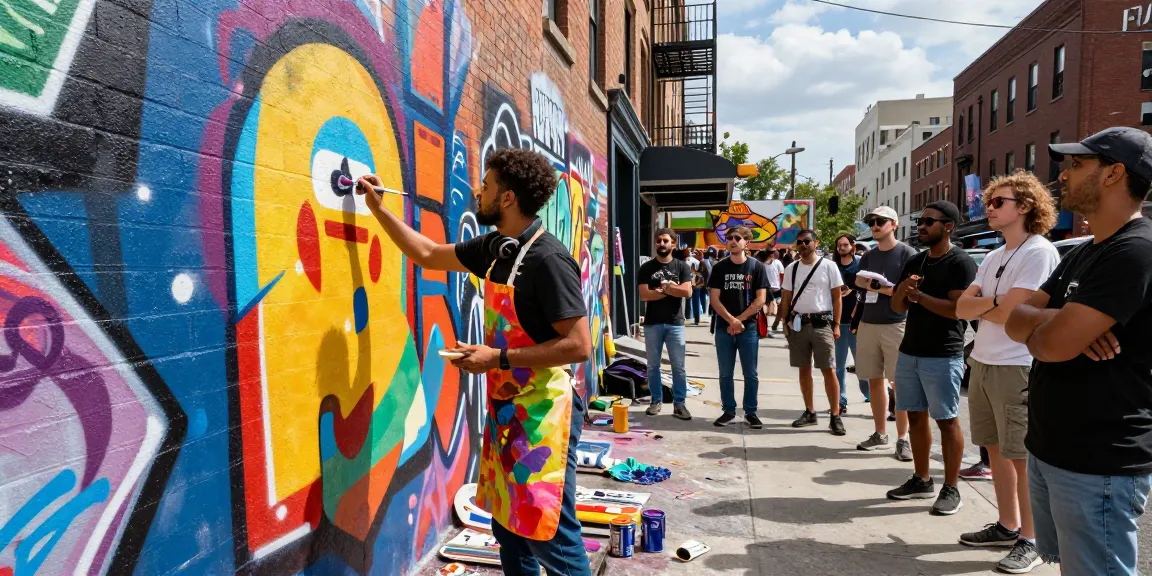
At its core, Rokok88 represents more than just a label; it encapsulates the spirit of urban creativity and grassroots movements. This initiative encourages local artists to harness the power of public spaces, transforming them into canvases for self-expression. By promoting collaboration and community involvement, Rokok88 has become a catalyst for social change, allowing marginalized voices to find resonance within the artistic community. It highlights the importance of storytelling through art, where every mural and installation conveys messages reflective of local heritage and contemporary issues.
The Impact of Art in Urban Spaces
Art in urban settings serves as a powerful tool for communication and expression. As cities evolve, art becomes a means of reclaiming spaces and challenging narratives imposed by urban development. Street art, particularly as seen in the Rokok88 movement, allows artists to address social justice, environmental concerns, and identity issues directly on the streets. This practice not only beautifies neighborhoods but also invites dialogue, making art a vehicle for community engagement. Cities that embrace street art often witness a revitalization of public spaces, fostering a sense of pride among residents and creating a vibrant cultural landscape.
Rokok88's Role in Modern Street Culture
A key player in the modern street culture scene, Rokok88 is designed to empower artists through workshops, exhibitions, and collaborative projects. This initiative emphasizes the significance of inclusivity, creating opportunities for emerging artists to showcase their works alongside established creators. Through events that bring together diverse talent, Rokok88 cultivates a supportive environment where art transcends commercial interests and serves as a medium for societal reflection. This approach not only nurtures creativity but also strengthens community ties, making art a shared experience that resonates with a broad audience.
Tools and Techniques for Street Art
Essential Supplies Every Artist Needs
Every aspiring street artist should begin with understanding the basic tools and supplies necessary for creating impactful works. A good selection of spray paints, brushes, stencils, and markers are essential, but equally important is the artist's choice of surface. From walls to sidewalks, each medium presents unique challenges and possibilities. Having a robust toolkit allows artists to explore various techniques and styles, tailoring their artistry to fit the context of their environment. Moreover, understanding the importance of safety equipment, such as masks and gloves, ensures a responsible approach to street art.
Techniques for Effective Mural Creation
Creating murals involves a combination of techniques that enhance the visual impact of the artwork. Artists often use layering, blending, and stippling to add depth and texture to their pieces. Moreover, precise measurements and sketches are critical for larger-scale works, ensuring proportional accuracy and aesthetic balance. By experimenting with different techniques, artists can discover their unique styles and refine their approaches to mural creation. Additionally, studying the works of established muralists can provide invaluable insights into effective techniques that resonate within the street art community.
Color Theory in Street Art
Understanding color theory is crucial for street artists aiming to evoke emotions and draw attention to their work. The psychology of colors can drastically alter perceptions and reactions, making it a vital consideration in street art design. By utilizing complementary, analogous, and contrasting colors, artists can create dynamic visual experiences that engage viewers. Furthermore, color choices can be reflective of cultural significance, allowing artists to weave narrative layers into their work. Mastering this element of design not only enhances individual pieces but contributes to the overall aesthetic of urban spaces.
Creating Engaging Street Art
Connecting with Your Audience
Engagement is key when it comes to creating impactful street art. Artists must consider their audience and the messages they wish to convey. By integrating local stories, cultural references, and relatable themes, street art can resonate with the community on a personal level. Interactive installations or pieces that encourage viewer participation can also foster a sense of ownership and pride within the community. Ultimately, the more an artwork connects with its audience, the greater its impact and longevity within the urban landscape.
Incorporating Local Culture and Themes
Local culture and narratives should be at the forefront of any street art project. By drawing inspiration from the community's history, struggles, and victories, artists can create meaningful works that celebrate their surroundings. This incorporation of local themes not only enriches the artwork but also helps in building authenticity and a deeper connection with viewers. Additionally, artists can collaborate with local historians and cultural organizations to ensure that their work respectfully reflects the community's identity.
Case Studies of Successful Street Art Projects
Examining successful street art projects provides valuable lessons and inspiration for aspiring artists. For instance, the "Philadelphia Mural Arts Program" showcases how murals can transform neighborhoods while promoting social justice through art. Projects like this highlight the importance of community involvement, artist collaboration, and the ability to address relevant societal issues through visual storytelling. Case studies such as these can serve as models for artists looking to implement their projects while ensuring they resonate with and benefit the community.
Promoting Your Street Art
Building an Online Presence
In today's digital age, building an online presence is critical for any artist. Social media platforms, personal websites, and portfolios serve as powerful tools for showcasing work and connecting with a global audience. Regularly updating content, engaging with followers, and participating in online art communities can dramatically enhance an artist's visibility and offer networking opportunities. Online platforms also allow for collaboration and dialogue among artists, fostering a community even beyond geographical boundaries.
Utilizing Social Media for Visibility
Social media is a powerful medium for promoting street art, enabling artists to share their creations with a vast audience. Platforms like Instagram and TikTok are particularly effective in visual storytelling, allowing artists to showcase their processes, finished works, and the stories behind them. Hashtags and location tagging can further increase visibility, helping art to reach potential viewers and collaborators. Engaging in social media challenges or trends can also help artists further their reach and connect with like-minded individuals.
Collaborating with Local Communities
Collaboration is essential for successful street art promotion. By working with local organizations, schools, and community groups, artists can identify needs, themes, and potential spaces for their work. Collaborating not only helps artists gain support and resources but also fosters a sense of community ownership over the artwork. Furthermore, these partnerships can enhance the impact of art on social issues, creating a body of work that reflects and uplifts the community.
The Future of Street Art in 2026
Emerging Trends in Urban Art
The street art landscape is ever-evolving, with new trends continually emerging. As we look toward 2026, expect to see a rise in augmented reality (AR) integrated into street art, allowing viewers to experience the artwork in dynamic ways. Additionally, sustainability will play a significant role, with artists increasingly using eco-friendly materials and methods to minimize their environmental footprint. The blending of traditional techniques with technological innovations will undoubtedly set the stage for a new era of urban creativity.
How Technology is Changing Street Art
Technology is reshaping the landscape of street art dramatically. Digital tools have expanded the possibilities for design and creation, while social media platforms have transformed how art gets discovered and shared. Artists are now leveraging virtual reality (VR) and interactive components to engage audiences more deeply than ever before. This integration of technology not only enhances the visual experience but also encourages viewers to interact with the artwork, creating a participatory element that was previously unattainable.
Preservation of Street Art as Cultural Heritage
As street art gains recognition as a legitimate form of cultural expression, the conversation around its preservation intensifies. In an age where urban development often leads to the removal or alteration of murals, preserving significant works is crucial to maintain cultural continuity. Discussions between artists, city planners, and community members will be essential to ensure that valuable pieces of street art are protected as cultural heritage, reflecting the history and stories of the communities that birthed them.
What are the best techniques for creating impactful street art?
Creating impactful street art involves mastering various techniques such as layering, color theory, and audience engagement. Artists must be proficient with their tools and aware of their audience's cultural context, allowing them to create resonant pieces that communicate effectively.
How can I promote my street art effectively?
To promote street art effectively, focus on building an online presence through social media, engaging with local communities, and collaborating with other artists and organizations. Networking and visibility are key factors in gaining recognition.
What supplies do I need to start painting murals?
Initial supplies for painting murals include high-quality spray paints, brushes, stencils, and protective gear. Additionally, sketching materials and wall coverings are vital for planning and executing large-scale projects.
How does street art influence urban culture?
Street art influences urban culture by serving as a medium for social commentary, beautifying public spaces, and fostering a sense of identity and community pride. It encourages dialogue and reflection on societal issues.
What should I know about copyright and street art?
Understanding copyright is essential for street artists, as it relates to ownership of their work, public display, and potential commercial use. Artists should be aware of the legal implications of their work to protect their rights.